

The Invisible Threat: Spotting and Stopping Psychosocial Hazards at Work
The modern workplace is demanding, dynamic, and often fast-paced. But beneath the surface of deadlines and deliverables lies a quiet saboteur of employee health and organizational stability: psychosocial hazards.
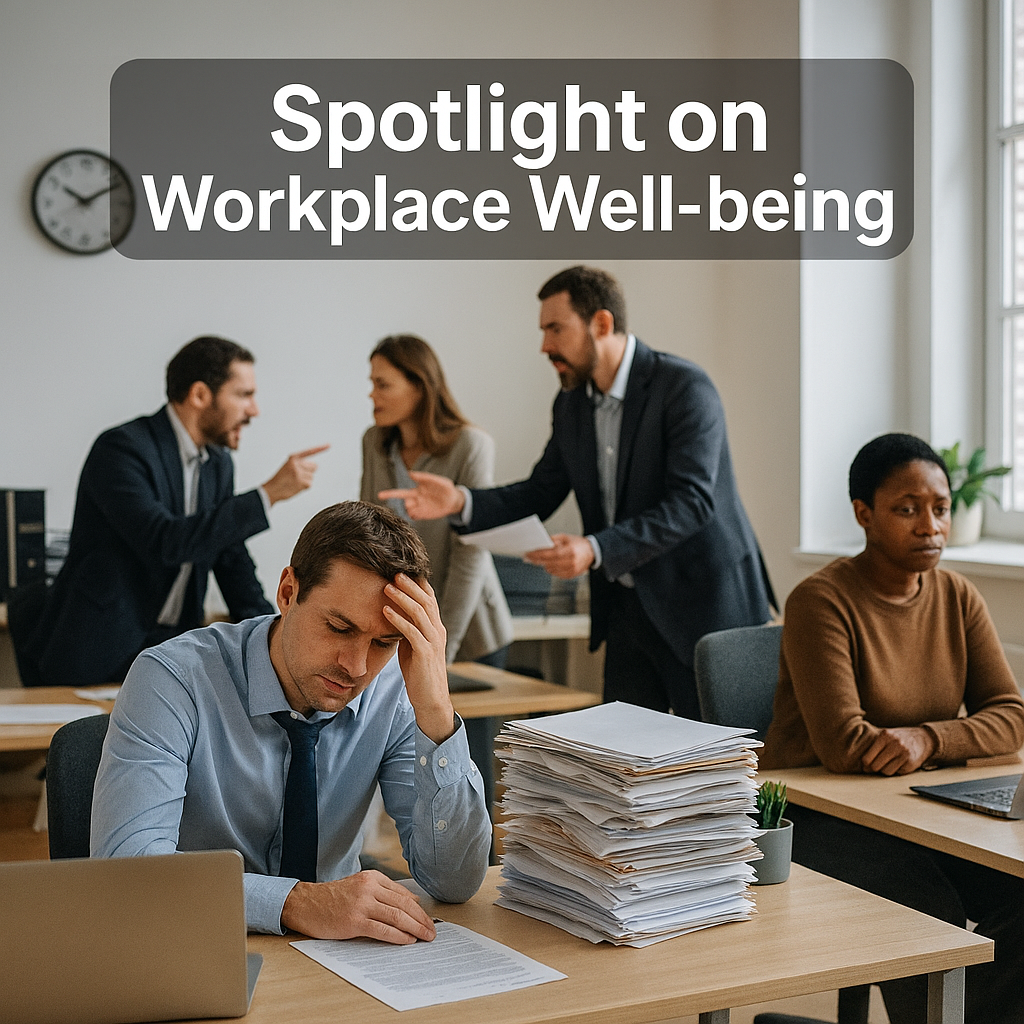
These aren’t physical risks; they are the hidden aspects of work design and organisation that, when poorly managed, can erode an employee’s mental and physical well-being. Think of relentlessly high job demands, chronic poor communication, a constant lack of clarity on roles, or the inability to maintain a healthy work-life balance.
Ignoring these stressors is not an option. They manifest as chronic stress, burnout, high turnover, absenteeism, and a significant drop in productivity. Truly effective Workplace Wellbeing in the 21st century must prioritise Psychosocial Safety.
The Three Pillars of a Healthy Workplace
To successfully manage these complex, yet common, hazards, organisations need a proactive, structured approach. We propose a powerful three-step framework for managers and organisations committed to building a truly healthier, more resilient environment.
- Identify the Risks
Go beyond basic safety audits. Your first step is to listen and observe. Use anonymous employee well-being surveys, conduct focused listening sessions, and train your managers to recognise the subtle early warning signs of stress and communication breakdowns within their teams. Understanding where the pressure points lie is the foundation of effective intervention.
- Support Your Team
Once risks are identified, implement clear, supportive, and flexible policies. This step is about providing genuine Employee Support. It includes ensuring workloads are fair and manageable, promoting employee autonomy and control over their work environment where possible, and making accessible mental health resources—such as EAPs or specialized well-being training—a priority.
- Build a Resilient Culture
This final, crucial step is about embedding well-being into the organisational DNA. Creating a workplace where people feel safe to talk about mental health starts with building trust, showing respect, and setting clear expectations. It’s important that conversations about mental health aren’t just allowed—they’re welcomed and encouraged. When team members feel supported and psychologically safe, they’re much better equipped to handle the ups and downs of work.
Managing psychosocial hazards is not a burden; it is a strategic investment in a more engaged, productive, and sustainable workforce. By proactively addressing these silent stressors, you are building a foundation for success that benefits both your people and your productivity.
Listen to our latest podcast: Psychological Safety
If you want to find out how you can improve your psychosocial work environment. Get in touch.
#HRLeadership #PeopleFirst #WorkplaceWellbeing #MentalHealthAtWork #HealthyWorkCulture #BurnoutAwareness #EmployeeExperience #HRCommunity #WorkLifeBalance #PsychosocialSafety #Productivity #Leadership #ISO 45003
No responses yet